Untamed Wilderness
Sri Lanka boasts one of the highest densities of leopards, wild Asian elephants, and marine mammals on the planet.
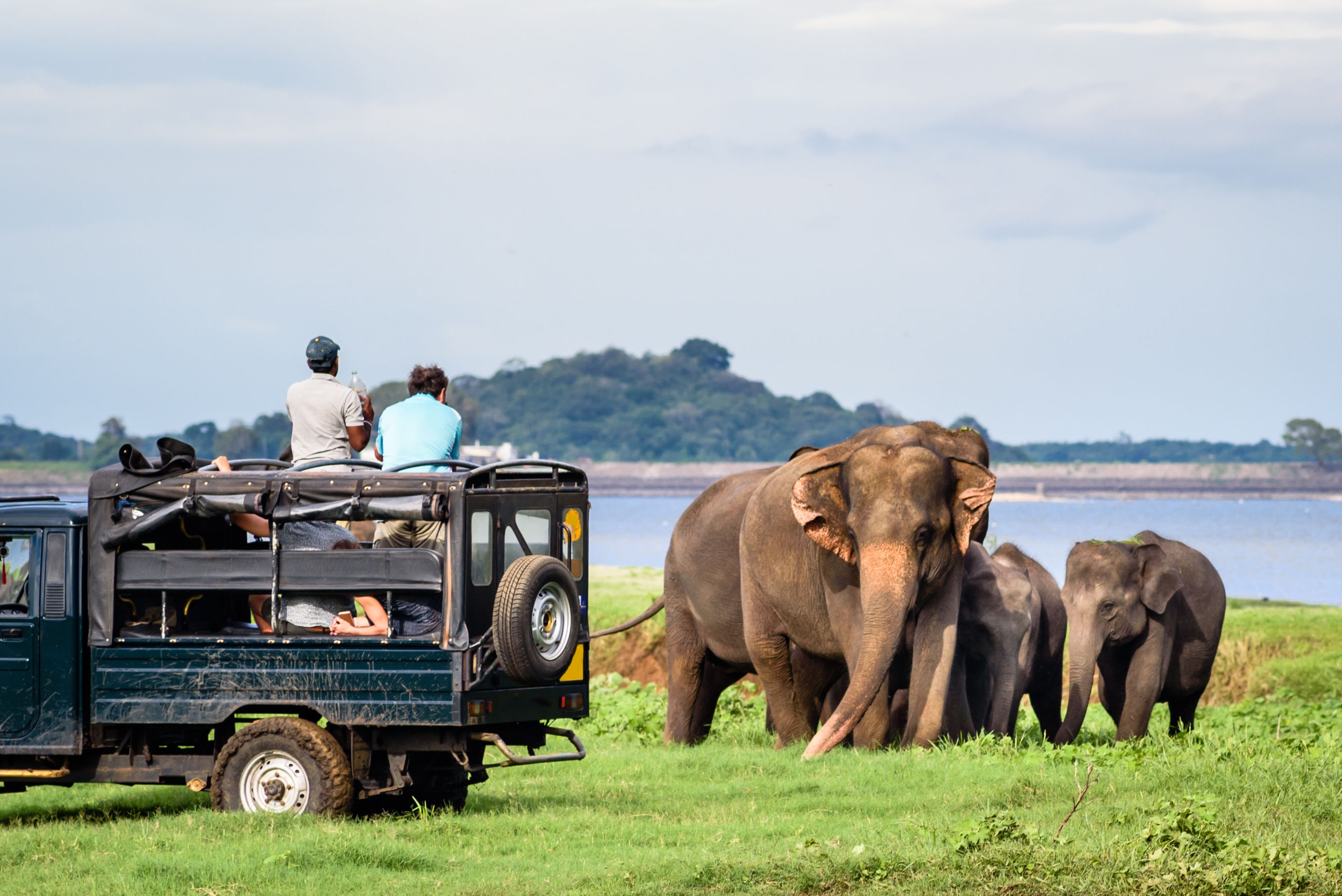
Yala National Park
Yala's Block 1 is internationally renowned for having one of the highest leopard densities in the world. Early morning and late afternoon game drives offer prime opportunities to photograph leopards, sloth bears, wild elephants, and over 200 bird species.
- Best Window: February to July (low foliage improves sightings).
- Recommended Slot: 6:00 AM dawn safari for optimal predator movement.
- Included: Customized 4x4 open-top safari jeep with experienced driver-tracker.
Minneriya National Park
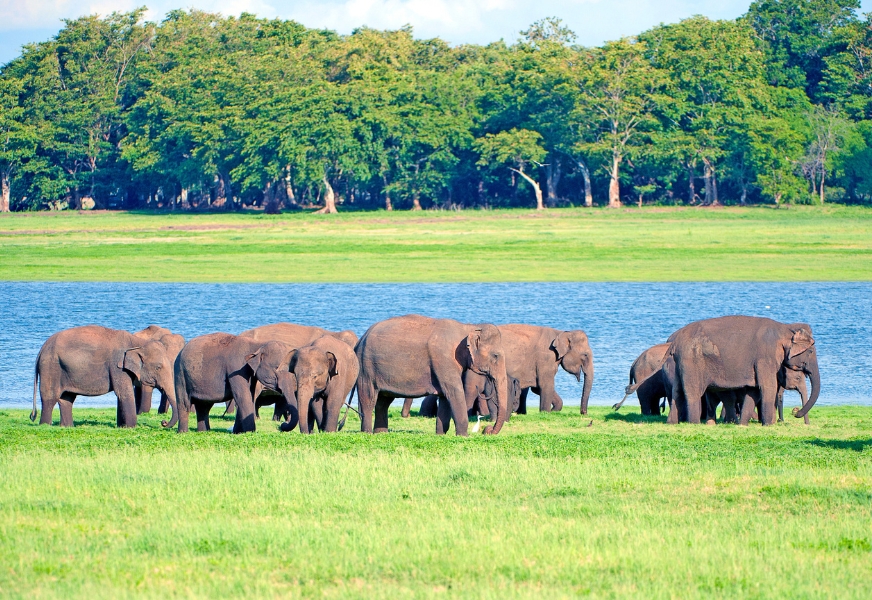
Minneriya is globally celebrated for "The Gathering," an awe-inspiring wildlife phenomenon where over 300 Asian elephants congregate around the ancient Minneriya reservoir to feed on fresh grasses and socialize during the dry season.
- Best Window: July to October (peak dry season gathering).
- Recommended Slot: 3:00 PM afternoon safari when herds emerge from scrub forests.
- Key Sightings: Giant elephant herds, sambar deer, painted storks, and grey herons.
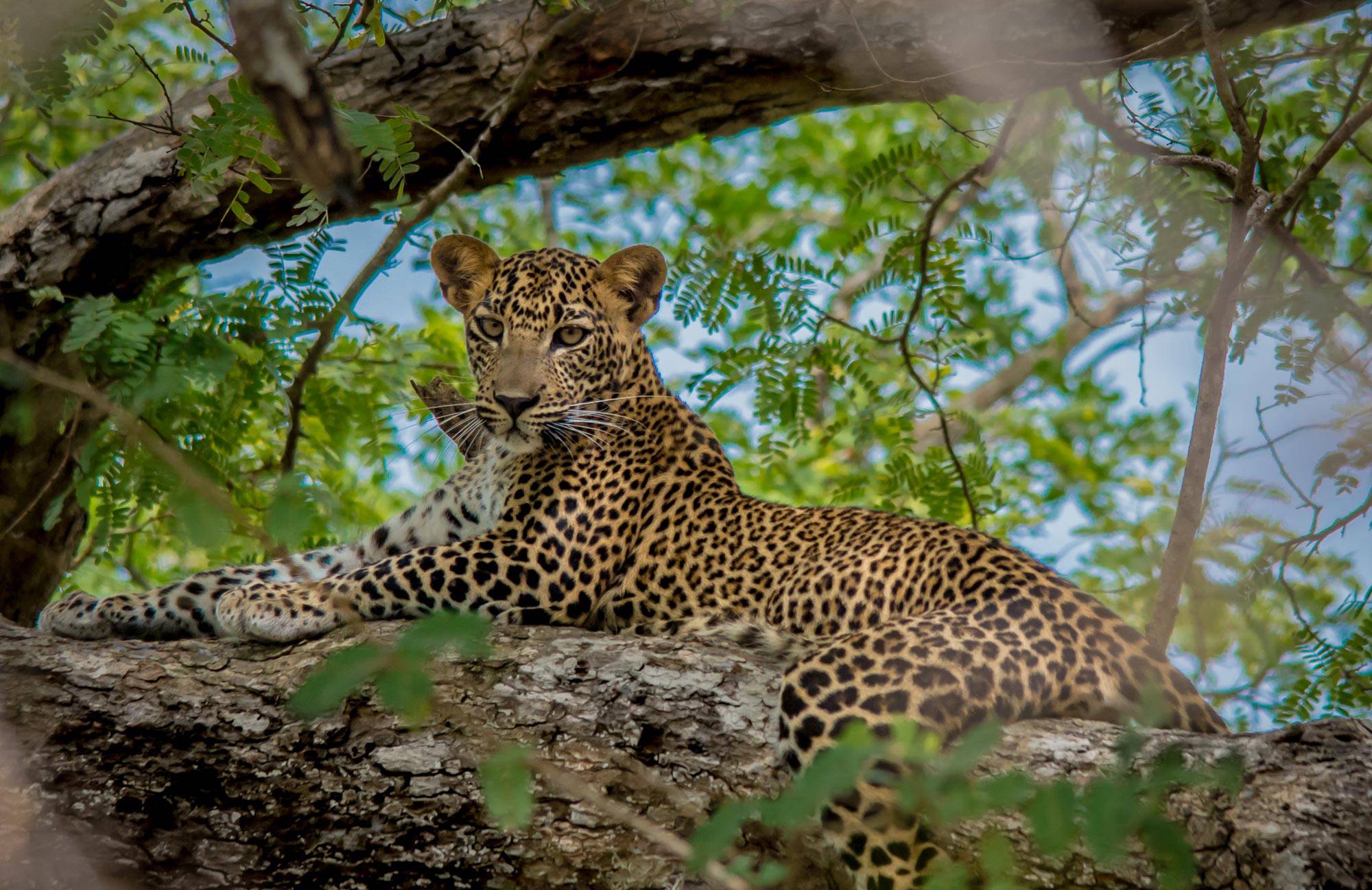
Wilpattu National Park
Sri Lanka’s largest and oldest national park, characterized by unique natural sand-rimmed water basins called "Villus." Its dense dry-zone forest offers serene, uncrowded safaris with exceptional chances to encounter elusive sloth bears and leopards.
- Best Window: February to October (drier months draw wildlife to open villus).
- Recommended Slot: Full-day safari due to the park’s immense scale.
- Key Sightings: Sri Lankan sloth bears, leopards, barking deer, and mugger crocodiles.
Udawalawe National Park
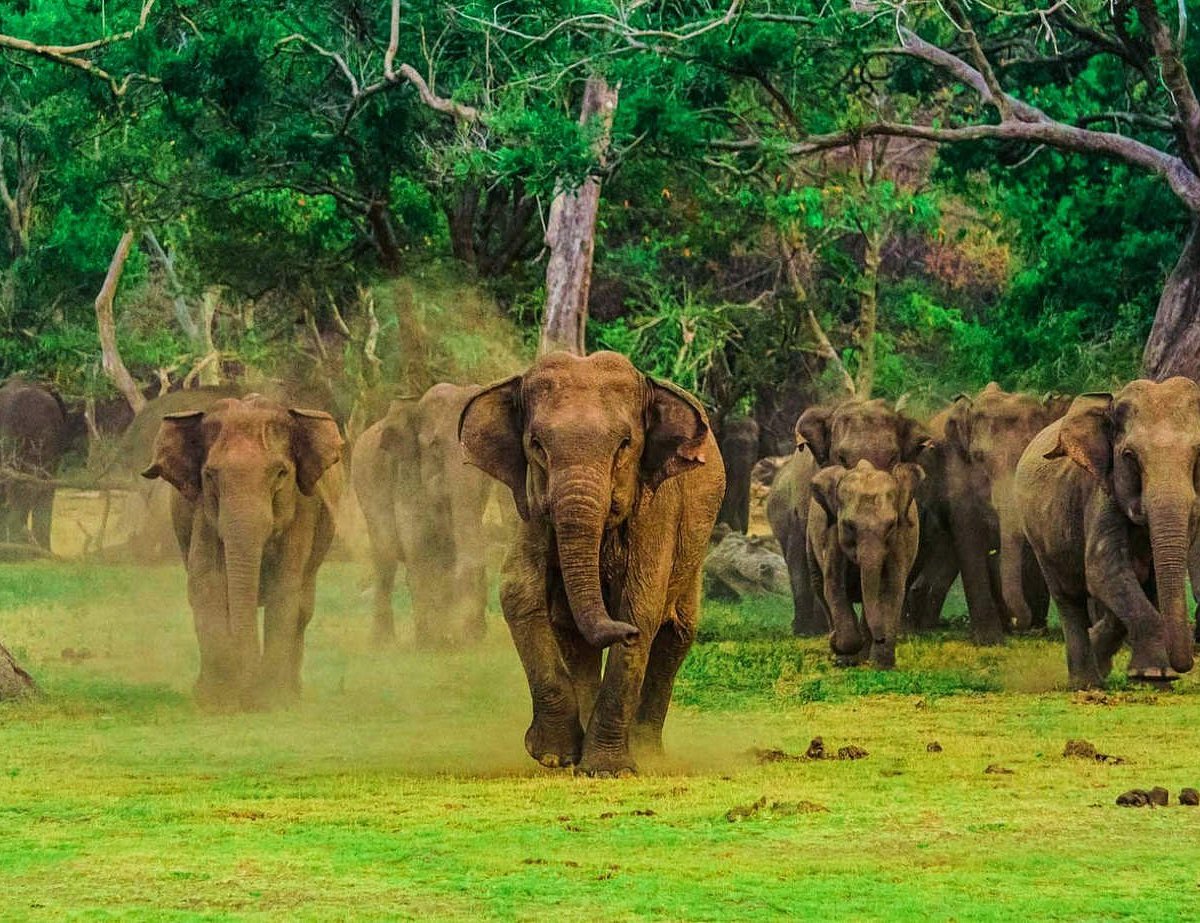
Surrounding a massive scenic reservoir with rolling open grasslands, Udawalawe resembles the East African savannah. It provides guaranteed, intimate encounters with wild elephant herds throughout the entire year, along with thriving raptor populations.
- Best Window: Year-round (consistent elephant sightings across all months).
- Recommended Slot: 6:30 AM or 3:30 PM to avoid midday highland heat.
- Key Sightings: Elephant families with calves, water buffalo, jackals, and crested serpent eagles.
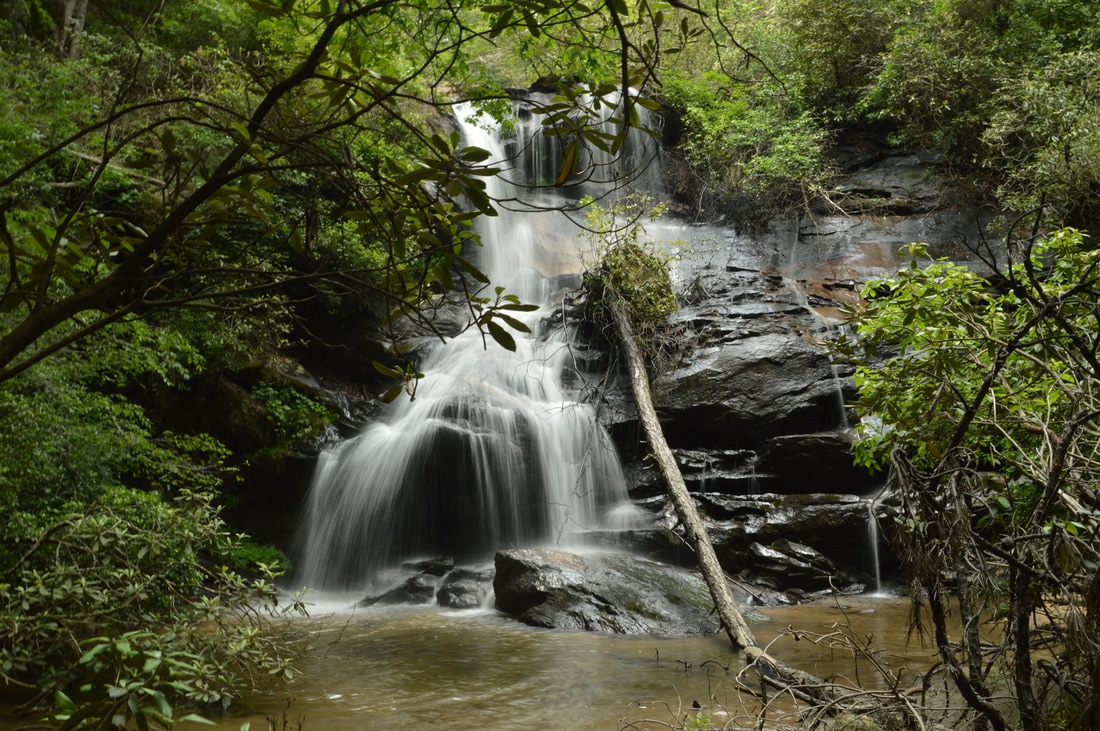
Sinharaja Rainforest Reserve
The island’s last viable area of primary tropical lowland rainforest. A biodiversity hotspot of global significance, Sinharaja is explored exclusively on foot with expert local trackers to observe mixed-species bird feeding flocks and rare endemic flora.
- Best Window: December to April and August to September (lower rainfall periods).
- Recommended Slot: 7:00 AM guided jungle walking trek with leech gaiters provided.
- Key Sightings: Blue magpie, red-faced malkoha, purple-faced langur, and tree frogs.
Safari Selector
National Parks at a Glance
Compare wildlife sanctuaries across the island to match your travel season.
| National Park | Primary Wildlife Highlight | Prime Travel Season | Typical Game Drive |
|---|---|---|---|
| Yala National Park | Apex leopards, Asian elephants, mugger crocodiles | February – July | 3.5 to 4 hours |
| Minneriya & Kaudulla | The Elephant Gathering (herds of 100–300 elephants) | August – October | 3 hours |
| Wilpattu National Park | Leopards, sloth bears, scenic natural waterholes (Villus) | February – October | Half or Full Day |
| Udawalawe National Park | Guaranteed year-round wild elephant sightings & birdlife | Year-round | 3 to 3.5 hours |
| Sinharaja Rainforest | Endemic birds, purple-faced langurs, biodiversity canopy | January – March, August | Guided Walking Trek |
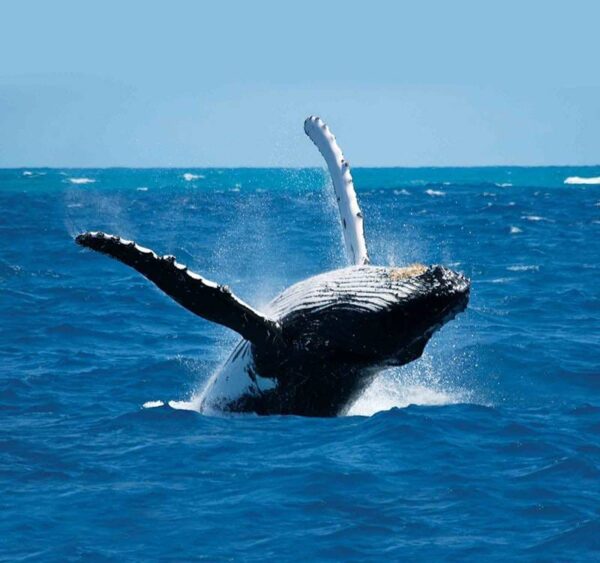
Blue Whales of the South Coast
The continental shelf drops steeply just miles off Mirissa and Trincomalee, creating a deep-water highway for migratory Blue Whales, Sperm Whales, and mega-pods of Spinner Dolphins.
- Expeditions depart Mirissa Fishery Harbour daily between 6:00 AM and 6:30 AM.
- Responsible tour operators keep ethical distances to safeguard marine habitats.
- Dolphin pods numbering in the hundreds frequently leap alongside boats.
Responsible Safari Code
Practices designed to safeguard wildlife behaviors and fragile sanctuary habitats.
Acoustic Discipline
Keep voice levels low and phones on silent. Sudden vocal sounds induce acute stress in herds and scatter predator sightings.
Zero Baiting & Feeding
Never encourage trackers to bait or corner animals. Natural foraging patterns preserve health and prevent defensive road aggression.
Vehicle Boundaries
Remain seated within the safari vehicle at all times. Stepping out into park tracks violates conservation law and safety rules.