Sri Lanka, at a Glance
Everything essential before you arrive — ancient civilizations, diverse ecosystems, weather cycles, and practical guidance for thoughtful travel.
A Concentrated Realm of Global Wonders
Nowhere else on Earth packs such extraordinary marvels into such an accessible footprint. This sacred island cradles Sigiriya—hailed by global travelers as the Eighth Wonder of the World, where 5th-century royal palaces hover 200 meters into the sky with advanced hydraulic fountains still flowing after fifteen centuries.
Before medieval cathedrals rose in Europe, Sri Lankan builders engineered brick dagobas second in scale only to the Great Pyramids of Giza. Today, this living legacy thrives alongside unmatched natural richness: home to the planet’s highest density of leopards, the world's largest gathering of Asian elephants, and the birthplace of pure Ceylon tea and imperial blue sapphires that adorn royalty across continents.
- The 8th Wonder of the World: Sigiriya's monumental lion citadel and 1,500-year-old preserved fresco galleries.
- Monumental Ancient Scale: Stupas that rivaled Egypt's pyramids in brickwork and architectural precision.
- Peerless Natural Wealth: Earth's premier leopard density, untamed ocean blue whales, and world-renowned Ceylon gems.
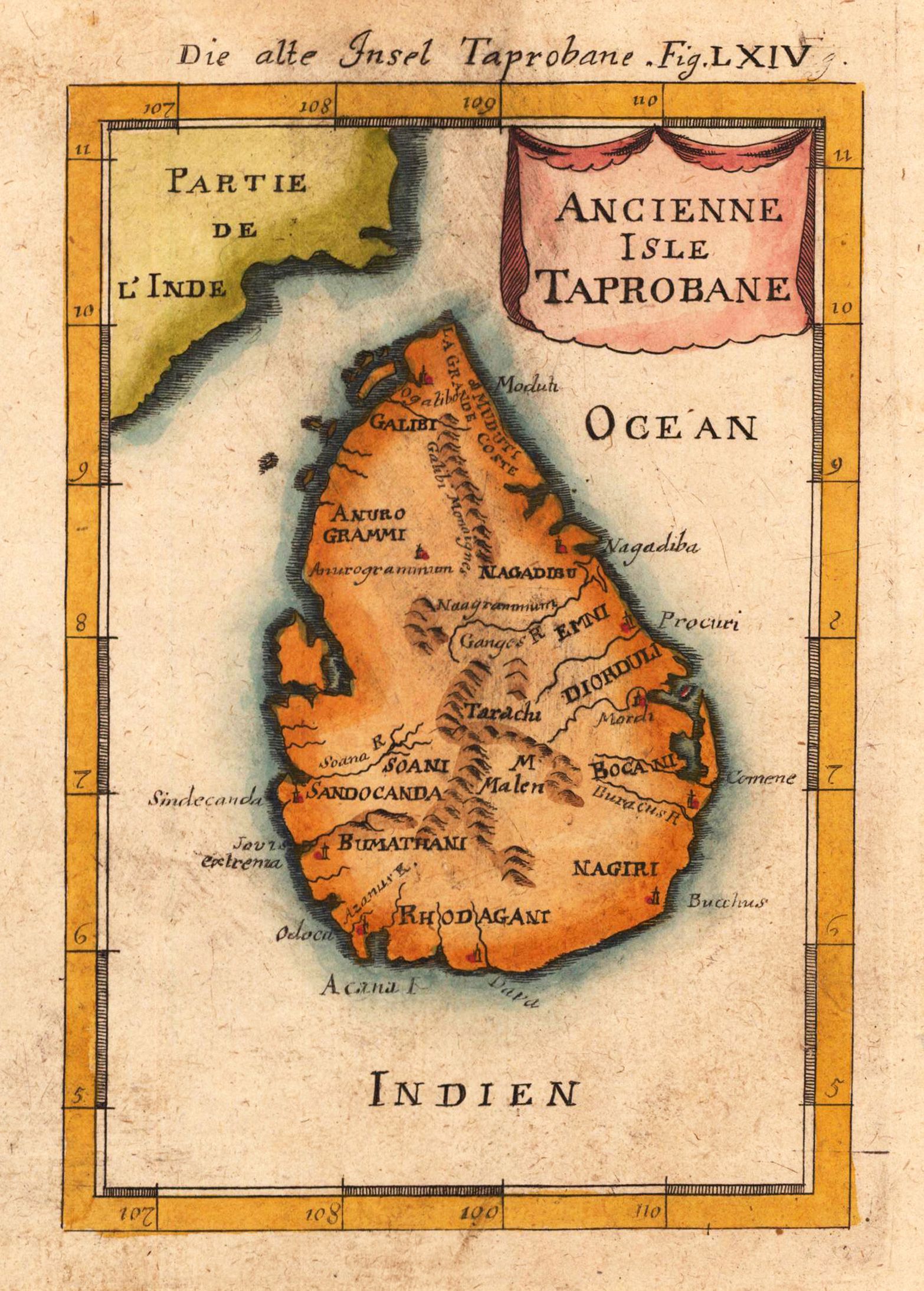
Quick Facts
Essential Country Overview
| Category | Information |
|---|---|
| Administrative Capital | Sri Jayawardenepura Kotte |
| Commercial Hub | Colombo |
| Official Languages | Sinhala, Tamil (English widely spoken across tourist zones) |
| Currency | Sri Lankan Rupee (LKR) |
| Time Zone | GMT +5:30 |
| Electrical Standard | 230V, 50Hz (Types D, G & M) |
| Entry Visa | Electronic Travel Authorization (ETA) via official portal |
| Primary Gateway | Bandaranaike International Airport (CMB), Katunayake |
Seasonal Planning
When to Visit by Coast
Due to opposing monsoon patterns, sunny beach conditions are available on the island throughout the entire year.
| Region | Prime Travel Window | Regional Highlights |
|---|---|---|
| South & West Coasts, Hill Country | December – April | Peak dry season; ideal for beach getaways and highland trekking. |
| East Coast (Trincomalee, Arugam Bay) | May – September | Calm turquoise waters for diving and world-class right-hand surf breaks. |
| Cultural Triangle | Year-Round | Dry-zone setting with minimal rainfall interruptions for temple visits. |
| Wildlife Reserves (Yala / Wilpattu) | February – July | Dry periods reduce foliage, significantly improving wildlife spotting odds. |
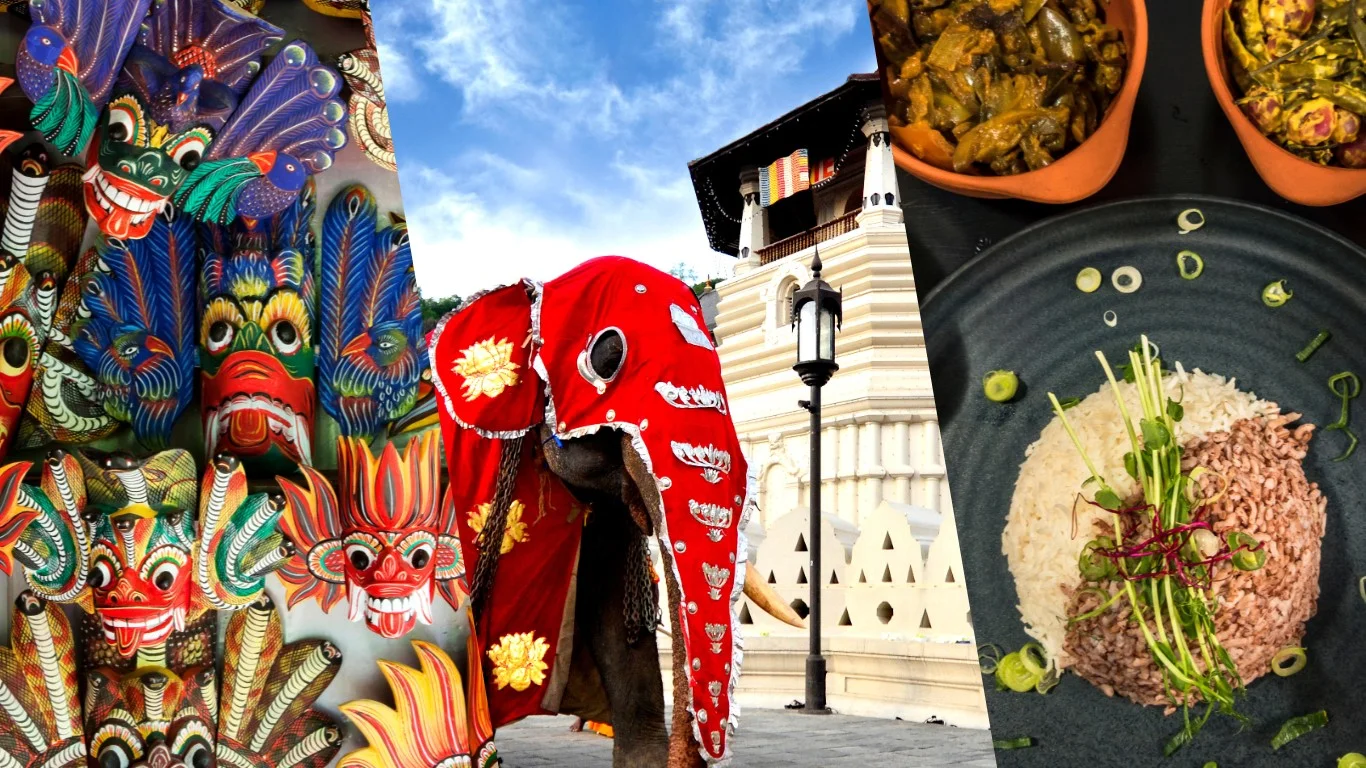
A Tapestry of Rhythm, Light & Celebration
Sri Lanka’s soul is defined by its vibrant festivals, deeply rooted in centuries of spiritual devotion and harvest traditions:
- The Kandy Esala Perahera: Asia's grandest historical pageant, where fire dancers, traditional drummers, and tuskers draped in illuminated vestments process in honor of the Sacred Tooth Relic.
- Sinhala & Tamil New Year (Aluth Avurudda): An auspicious mid-April solar harvest festival celebrating renewal, hearth lighting, traditional sweetmeats (Kavum & Kokis), and folk sports.
- Vesak Festival of Lights: Cities and rural hamlets glow with handcrafted bamboo lanterns (Vesak Kudu), towering illuminated storytelling pandols (Thoran), and free communal food stalls (Dansal).
- Wear white or modest attire covering shoulders and knees at all sacred sites.
- Remove footwear and headwear before stepping onto temple and shrine grounds.
- Never pose for photos with your back turned directly toward Buddha statues or relics.
- Always offer or receive alms, food, and gifts using your right hand as a sign of respect.
Island Travel Intelligence
Everyday etiquette, financial logistics, and seasonal rhythms across the island.
Temple Protocol
Dress modestly with covered shoulders and knees at all sacred sites. Footwear and headwear must be removed prior to stepping onto shrine premises.
Currency & Local Cash
While urban boutiques accept cards, carrying Sri Lankan Rupees (LKR) in small denominations is essential for tuk-tuks, village stalls, and rural guides.
Opposing Monsoons
Due to the dual weather systems (Yala and Maha), whenever one coast experiences rains, the opposite coast or central highlands stays dry and sunny.